


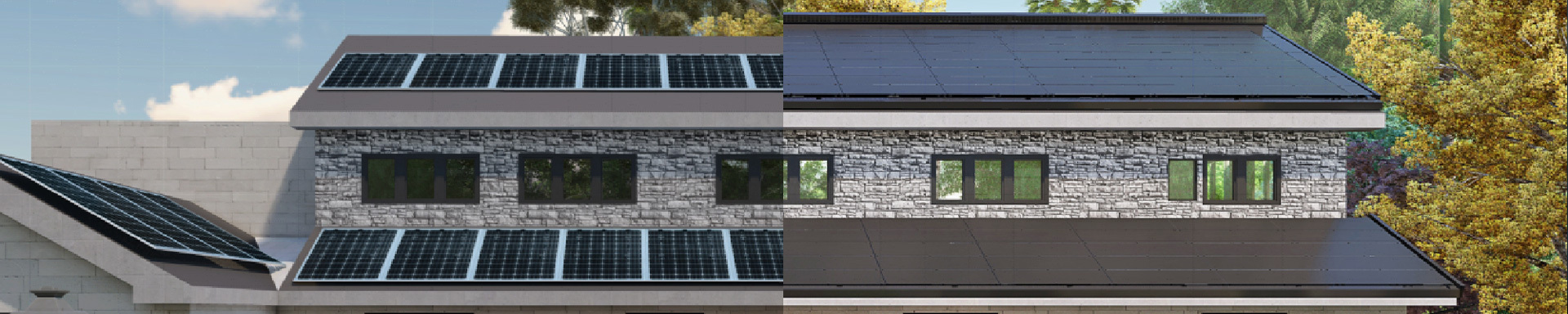
Modern Roof Designs Meet Renewable Energy with High-Efficiency Solar Tiles
2026-11-26 15:52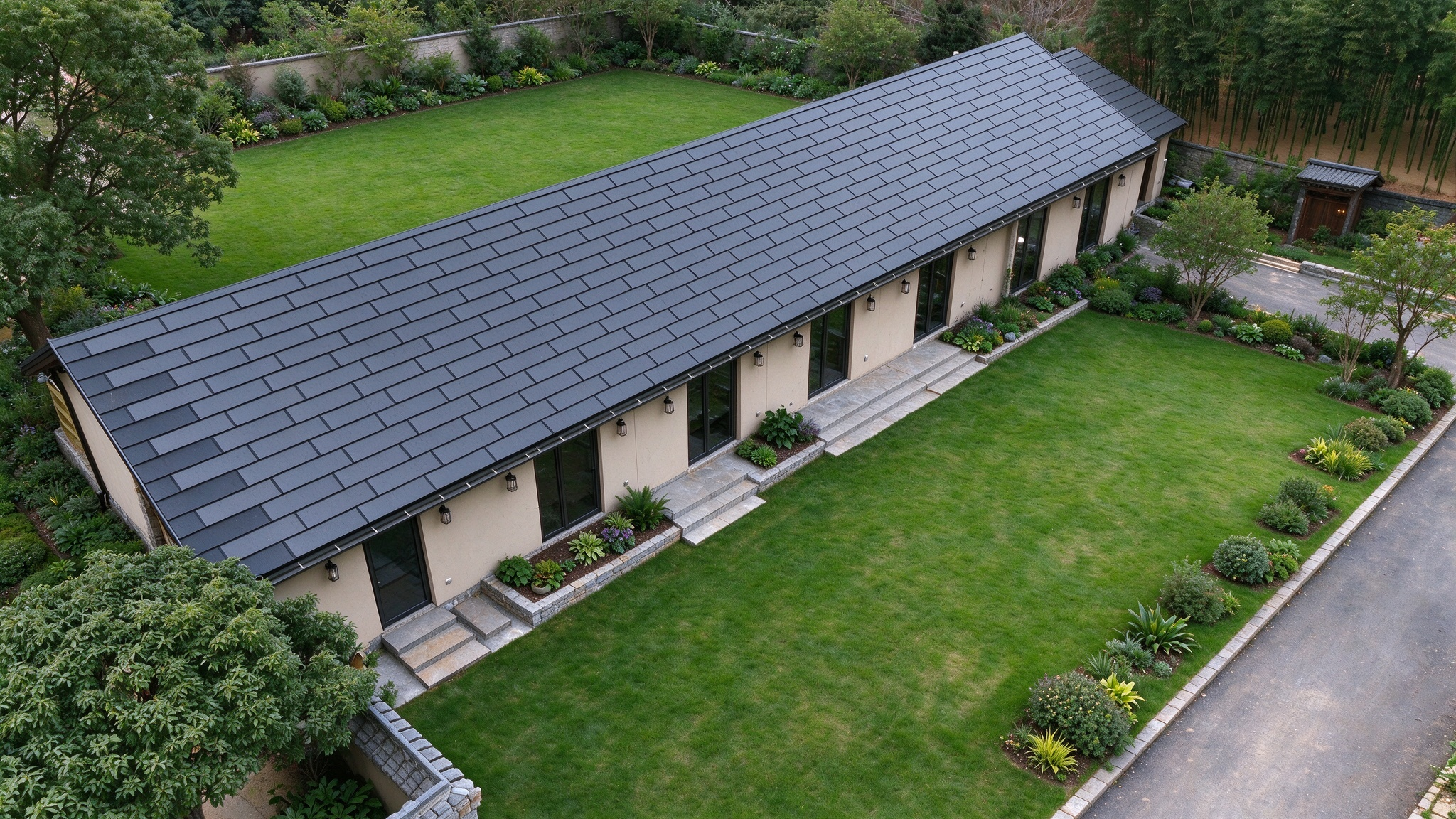
Modern architecture is placing greater emphasis on clean lines, functional materials, and energy efficiency. As renewable energy becomes an important part of residential construction, more homeowners and developers are looking for ways to combine attractive roof designs with solar power generation.
This is where high-efficiency solar tiles come in. By integrating photovoltaic technology into roofing materials, solar roof tiles allow buildings to generate electricity while maintaining a clean and modern appearance.
1. Bringing Renewable Energy Into Modern Roof Designs
Traditional solar panels are usually installed above existing roofing materials. Although they provide renewable electricity, their appearance and mounting structures may not suit every architectural style.
Solar roof tiles offer a more integrated alternative. They combine the functions of roofing materials and solar power generation, making the roof itself part of the building's energy system.
Whether used on modern villas, residential houses, or commercial buildings, solar roofing provides an opportunity to make better use of available roof space without adding conventional solar panel structures.
2. High-Efficiency Solar Tiles for Better Energy Performance
Power generation is one of the most important factors when choosing a solar roofing solution.
Modern photovoltaic roof tiles are designed to convert sunlight into electricity while serving as part of the roof covering. Their power output depends on factors such as solar cell technology, module efficiency, installation angle, and local sunlight conditions.
For residential projects, selecting the right solar roof tiles means considering not only the power of individual tiles but also the total installed capacity and expected energy production.
A properly designed system can help homeowners generate clean electricity during daylight hours and reduce their dependence on conventional grid power.
3. A Better Match for Modern Residential Architecture
Today's homeowners often want renewable energy without compromising the appearance of their homes.
Unlike conventional rooftop solar installations, integrated solar roof tiles can create a more unified roof appearance. Their design allows photovoltaic components to become part of the overall roofing system.
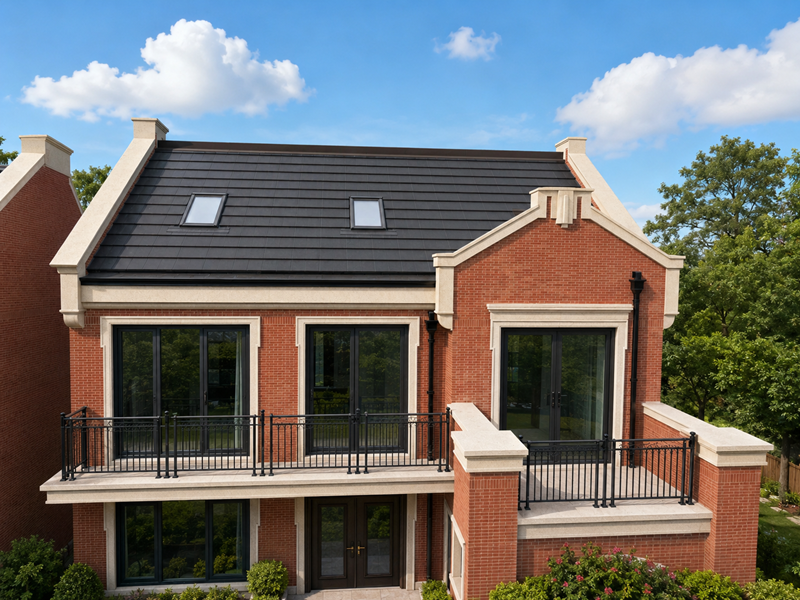
This makes them particularly attractive for modern villas, luxury residences, and new construction projects where architectural appearance matters.
From simple contemporary rooflines to carefully designed residential developments, solar roof tiles for homes offer another way to combine aesthetics with practical energy generation.
4. Supporting Building Integrated Photovoltaics (BIPV)
The development of building integrated photovoltaics (BIPV) is changing how renewable energy is incorporated into buildings.
Instead of treating solar panels as separate equipment, BIPV integrates photovoltaic technology into building components such as roofs and facades.
Solar roof tiles are a practical example of this concept. They allow the roof to perform two important functions: providing weather protection and generating electricity.
For architects and developers, this creates more flexibility when planning energy-efficient buildings. Solar roofing can be considered during the early design stage, helping coordinate roof structure, installation methods, and electrical systems.
5. What Should You Consider When Choosing Solar Roof Tiles?
Not all solar roofing products are the same. A good solution needs to balance energy performance, roof protection, installation convenience, and long-term reliability.
Before selecting high-efficiency solar roof tiles, buyers should pay attention to several factors:
Power output: Check the rated wattage and expected system capacity.
Waterproof performance: Make sure the roofing system provides reliable protection against rain.
Installation method: Understand whether the tiles use hooks, nails, or other fixing systems.
Weather resistance: Consider wind, hail, temperature changes, and local climate conditions.
Roof compatibility: Check the roof structure, slope, and available installation space.
Product durability: Evaluate materials, certifications, and warranty conditions.
These factors help ensure that a solar roof delivers both dependable roofing performance and consistent electricity generation.
6. The Future of Solar Roofing
As sustainable construction becomes more important worldwide, the demand for solar roofing solutions is expected to continue growing.
Modern buildings are no longer designed only around appearance and structural performance. Energy generation and environmental impact are also becoming important considerations.
By combining roofing and photovoltaic technology, high-efficiency solar tiles provide a practical option for projects that want to embrace renewable energy without overlooking architectural design.
The roof is no longer just the top of a building. It can become an active part of its energy future.
Planning a modern roofing project? Leave us a message to learn more about our solar roof tiles and find the right solution for your building.