


How Solar Roof Tiles Contribute to Green Energy and Carbon Reduction
2026-11-18 15:03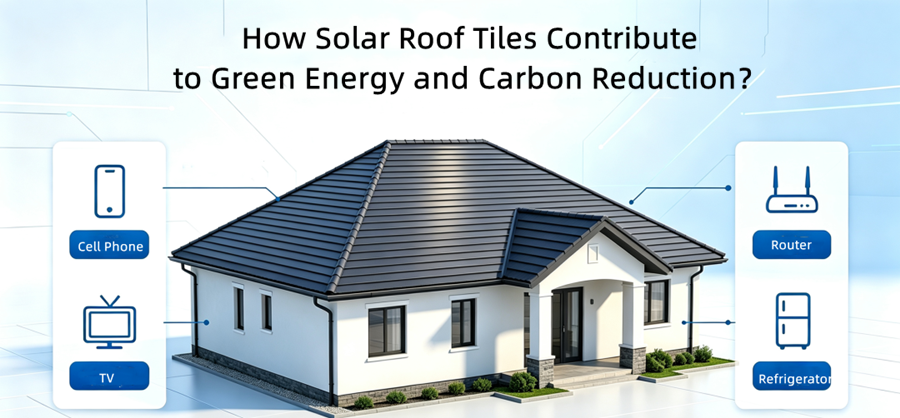
The transition to clean energy is changing the way people think about residential buildings. A roof is no longer just a structure that protects a home from sun and rain. With the development of solar roof tiles, it can also become an important part of a home's energy system.
For homeowners, architects, and developers, solar-integrated roofing offers a practical way to combine renewable energy generation with modern roof design.
Turning Roof Space Into Renewable Energy
Every building has one valuable resource that is often underused: roof space. Traditional roofs provide protection, but they do not generate energy. Photovoltaic roof tiles make it possible to use the same roof area to produce electricity from sunlight.
During daylight hours, the solar cells inside the tiles convert sunlight into electrical energy. The electricity can then be used by the building or connected to the local power system, depending on the project and local regulations.
This makes the roof an active part of the building rather than simply a passive structure.
Helping Reduce Carbon Emissions
One of the main advantages of solar energy is that electricity can be generated without burning fossil fuels during operation. By producing renewable electricity on-site, a solar roofing system can help reduce dependence on electricity generated from conventional energy sources.
For a home, this means that part of its daily electricity demand can come directly from sunlight. Over years of operation, the accumulated renewable energy generation can contribute to a lower household carbon footprint.
The actual carbon reduction will depend on factors such as solar radiation, system capacity, electricity consumption, and the local energy mix. However, the basic principle remains simple: more clean electricity generation can mean less reliance on fossil-fuel-based power.
A More Integrated Approach to Solar Energy
Traditional solar panels are normally installed above an existing roof using mounting systems. While this approach remains widely used, some homeowners prefer a more integrated architectural appearance.
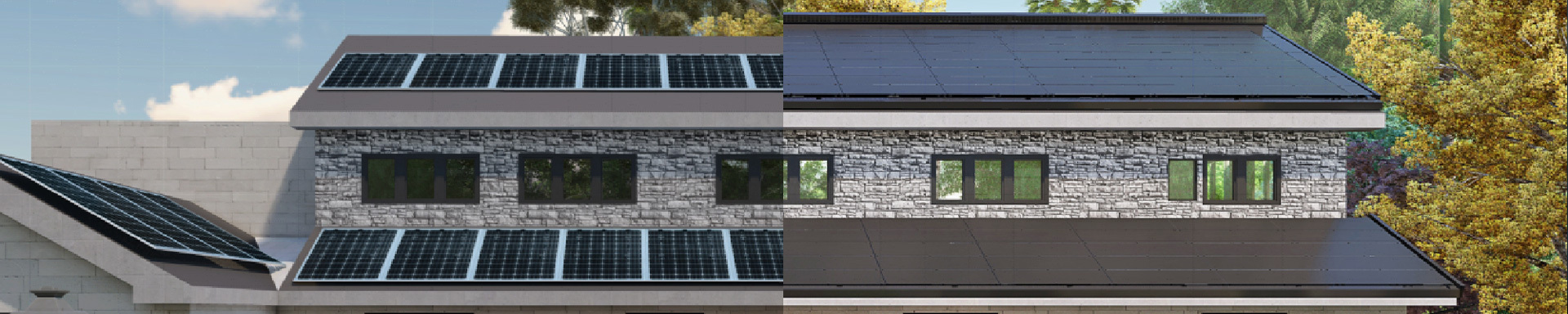
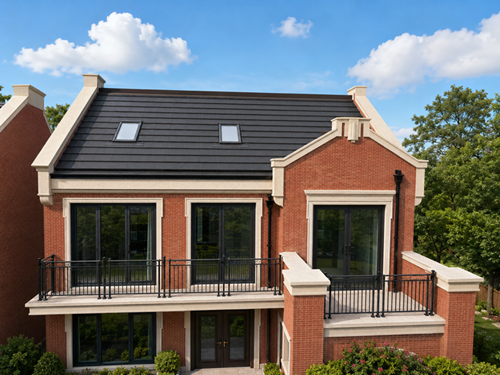
Solar roof tiles for homes combine the functions of roofing and solar power generation in one product. This can create a cleaner roofline and reduce the visual impact of conventional solar equipment.
This concept is also closely related to building integrated photovoltaics (BIPV), where photovoltaic technology becomes part of the building itself.
For new villas and residential projects, this integrated approach can be considered during the architectural design stage, allowing the roof structure, appearance, and energy system to work together.
Supporting Energy-Efficient Homes
The demand for energy-efficient buildings is increasing in many markets. Homeowners are paying more attention not only to insulation and energy-efficient appliances, but also to how their homes produce and use electricity.
A well-designed solar roof can become part of this overall energy strategy.
Instead of treating renewable energy as an additional piece of equipment installed after construction, solar roofing can be incorporated into the building from the beginning. This is particularly attractive for new homes, villas, and projects that place a strong focus on modern design and sustainability.
What Should Buyers Consider?
Choosing solar roof tiles is not simply about looking at the power output of one tile. The complete roofing system should match the building structure, local climate, roof design, and energy requirements.
Before purchasing photovoltaic solar roof tiles, buyers should consider:
Power output and overall system capacity
Roof structure and installation method
Waterproofing and weather resistance
Product durability and expected service life
Appearance and compatibility with the building design
Local electrical and building requirements
A good solar roof should provide both reliable roof protection and stable renewable energy generation.
The Future of Green Roofing
As countries continue to increase their use of renewable energy, the demand for integrated solar solutions is also growing. Solar technology is gradually moving from large solar farms and traditional rooftop panels into the building materials themselves.
Solar roof tiles are part of this development. By combining clean energy generation with roofing, they provide a practical option for buildings that need both energy production and architectural integration.
The future of green buildings is not only about using less energy. It is also about finding better ways to generate clean energy where people live and work.
A roof can protect a building, improve its appearance, and generate electricity at the same time. That is what makes solar-integrated roofing an increasingly attractive solution for modern low-carbon homes.
Interested in solar roof tiles for your next project? Leave us a message and our team will be happy to provide more information and a suitable solution.