


Why More Countries Are Embracing Solar Roof Tiles for Renewable Energy
2026-10-27 11:49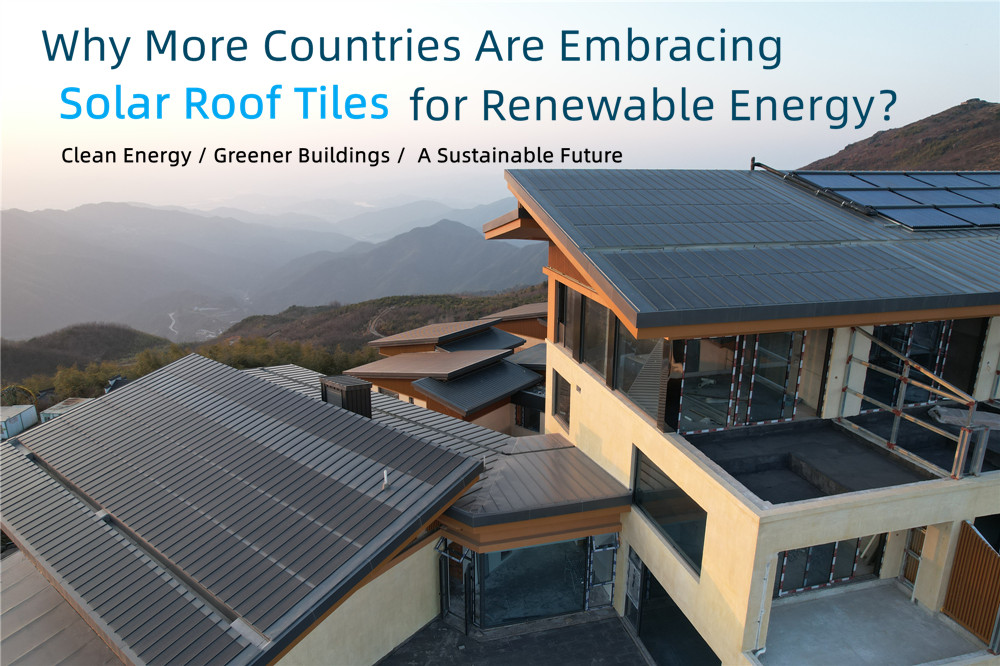
As solar energy becomes an increasingly important part of the global energy transition, the way buildings generate electricity is also changing. Traditional rooftop solar panels remain a popular choice, but solar roof tiles are attracting growing interest from homeowners, architects, builders, and renewable energy developers who want to combine clean energy with a more integrated roof design.
Unlike conventional solar panels mounted above existing roofing, solar roof tilescan form part of the roof covering itself. This approach, known as building-integrated photovoltaics (BIPV), allows buildings to generate electricity while maintaining a more cohesive architectural appearance.
So, why are more markets exploring solar roof tiles, and what makes this technology worth considering for future roofing projects?
1. The Global Shift Toward Renewable Energy
The expansion of solar energy is creating new opportunities for integrated solar roofing. According to the International Energy Agency, global renewable power capacity is projected to increase by nearly 4,600 GW between 2025 and 2030, with solar PV accounting for almost 80% of the expected growth.
As solar technology becomes more widely adopted, attention is also turning to how photovoltaic systems can be incorporated into buildings more effectively.
For countries promoting green buildings, energy efficiency, and lower-carbon construction, solar roof tiles offer another way to integrate renewable energy into the built environment. Rather than treating the roof solely as a protective structure, developers can consider it an energy-generating part of the building.
2. Combining Solar Power With Modern Roof Design
One of the main reasons for considering solar roof tiles is their appearance.
Conventional solar panels are typically installed on mounting structures above the roof. Although this arrangement works well for many buildings, some homeowners and architects prefer a more integrated appearance, particularly for villas, custom homes, and premium residential developments.
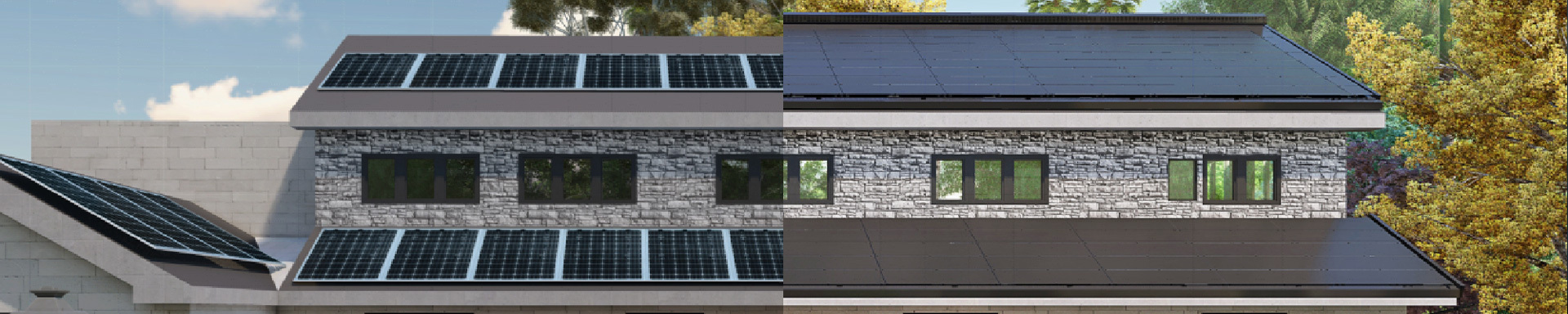
Solar roof tiles combine roofing and photovoltaic functions in a single system. Depending on the product design, they can create a cleaner roofline and blend more naturally with the building's architectural style.
This makes solar roof tiles an option worth exploring for:
New residential construction and custom homes.
Villas and high-end housing developments.
Buildings where roof appearance is a major design consideration.
Projects seeking to combine renewable energy with modern architecture.
For these applications, solar roof tiles provide an alternative to conventional rooftop solar installations without sacrificing the visual character of the building.
3. Making Better Use of Existing Roof Space
In densely developed areas, available land for renewable energy projects can be limited. Rooftops provide an existing surface that may be suitable for on-site solar power generation.
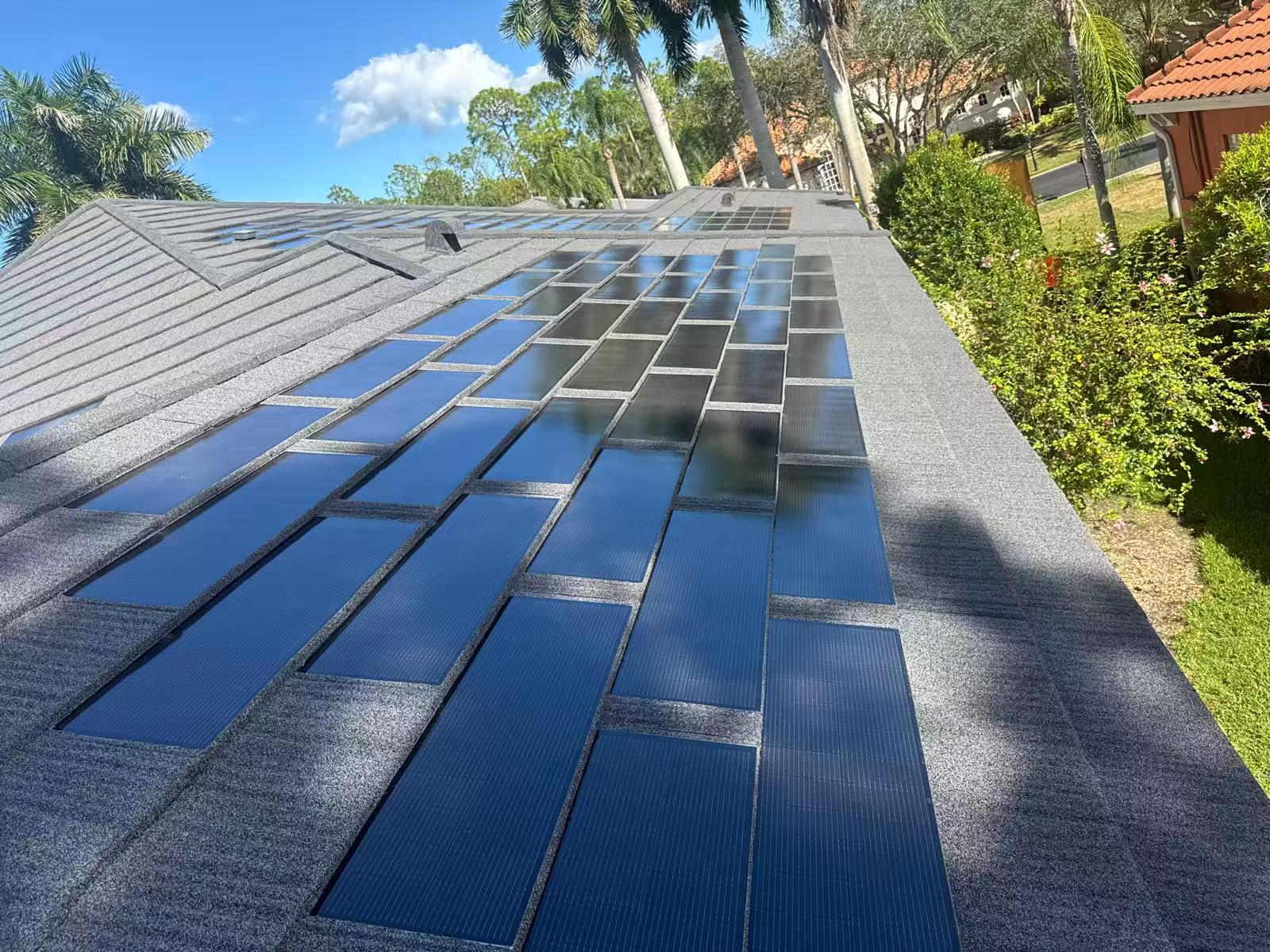
Solar roof tiles take this concept a step further by integrating photovoltaic technology into the roof covering. They can be particularly attractive for new buildings or roof replacement projects where the roofing system is already part of the construction budget.
Combining these functions may reduce the need for separate roofing materials and mounting components, depending on the system design. However, the overall cost advantage depends on the product, roof structure, installation requirements, and local labor costs.
For developers, the key is to evaluate the roofing and solar systems together rather than comparing the purchase price of solar tiles with that of conventional roofing alone.
4. Reducing Electricity Costs and Supporting Energy Independence
Electricity costs are an important consideration for homeowners and businesses in many markets. Solar roof tiles can generate electricity on-site, helping buildings reduce their reliance on grid power.
The actual savings depend on several factors:
Local sunlight conditions and roof orientation.
Available roof area and system capacity.
Household or building electricity consumption.
Electricity tariffs and grid connection rules.
Battery storage and the timing of energy use.
In regions with high electricity prices or suitable self-consumption policies, generating power directly from the roof may improve the long-term value of a building.
Solar roof tiles can also be combined with compatible inverters and battery storage systems where appropriate. This can help users make better use of generated electricity, although backup power during outages requires a suitably designed system.
5. Supporting Green Building and Sustainable Construction
Governments and construction industries are increasingly exploring ways to improve building energy performance. In the European Union, the revised Energy Performance of Buildings Directive includes requirements for suitable solar installations on certain new buildings, with implementation depending on building type and applicable timelines.
These developments reflect a broader shift toward incorporating renewable energy into building design from the planning stage.
Solar roof tiles fit into this direction because they can serve as both a roofing component and an electricity-generating technology. They may also help developers respond to demand for energy-conscious homes and integrated building solutions.
However, solar roof tiles are not automatically the best choice for every project. Their suitability depends on local building regulations, technical requirements, installation expertise, and project economics.
6. Solar Roof Tiles vs. Traditional Solar Panels: What Is the Difference?
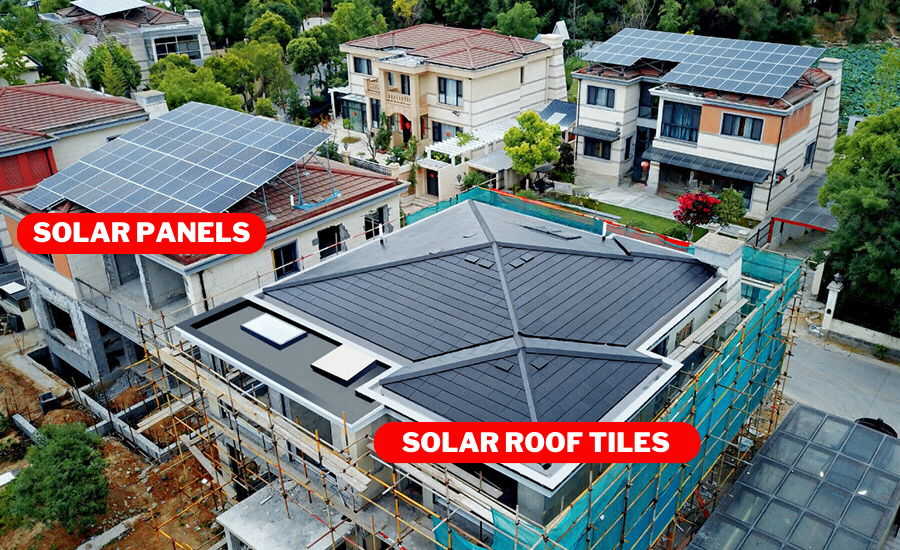
Both technologies convert sunlight into electricity, but their installation methods and primary applications differ.
Feature | Solar Roof Tiles | Traditional Solar Panels |
| Installation | Integrated into a compatible roofing system | Mounted above an existing roof |
| Appearance | Designed for a more integrated roof finish | Panels remain visibly elevated above the roof |
| Roofing function | Can replace part or all of the conventional roof covering, depending on the system | Generally installed over a separate roof covering |
| Typical applications | New construction and roof replacement | Existing roofs and new buildings |
| Initial investment | Depends on the integrated system and roofing requirements | Often more economical when the existing roof is suitable |
| Roof compatibility | Requires product-specific design and installation | Depends on roof condition and mounting compatibility |
Traditional solar panels may remain the more practical option when a roof is in good condition and the primary goal is cost-effective electricity generation. Solar roof tiles may be more attractive when a project also requires a new roof or places a high value on architectural integration.
The right choice depends on the building, budget, energy requirements, and local installation conditions.
7. What Should Buyers Consider Before Choosing Solar Roof Tiles?
Growing interest in solar roofing does not eliminate the need for careful project evaluation. Before selecting a system, buyers should consider the following factors.
Power output and efficiency: Check the rated power per tile, module efficiency, and expected energy generation under local conditions.
Roof structure and orientation: Confirm that the roof has suitable structural support, orientation, slope, and exposure to sunlight.
Waterproofing and installation: Review the roof system's drainage design, flashing details, electrical connections, and installation procedures.
Weather resistance and safety: Evaluate relevant test reports and certifications for electrical safety, fire performance, mechanical loads, and local weather conditions.
System compatibility: Confirm inverter, connector, wiring, and battery compatibility where applicable.
Long-term value: Compare the complete installed cost, expected electricity savings, maintenance requirements, product warranties, and local incentives.
For international projects, buyers should also check applicable electrical standards, building codes, grid-connection requirements, and local certification requirements before placing an order.
Conclusion: Are Solar Roof Tiles Worth Considering?
Solar roof tiles are gaining attention because they bring together two important construction priorities: renewable energy generation and roof design. For homeowners, architects, builders, and developers, they offer an alternative to conventional rooftop solar panels, particularly in projects where a new roof and a solar power system are being planned together.
Their suitability ultimately depends on the building design, local market conditions, energy needs, and total project cost. As building-integrated photovoltaics continue to develop, solar roof tiles are becoming an increasingly relevant option in the wider solar roofing market.
At SGBSOLAR, we focus on solar roofing solutions designed to integrate photovoltaic power generation with building roof systems. If you are planning a residential project, developing a solar roofing product line, or sourcing solar roof tiles for your market, contact our team to discuss product specifications, application requirements, and project needs.