



Hangzhou Solar Roof Case Study for a Historic Commercial Street (274.68kW) — BARL
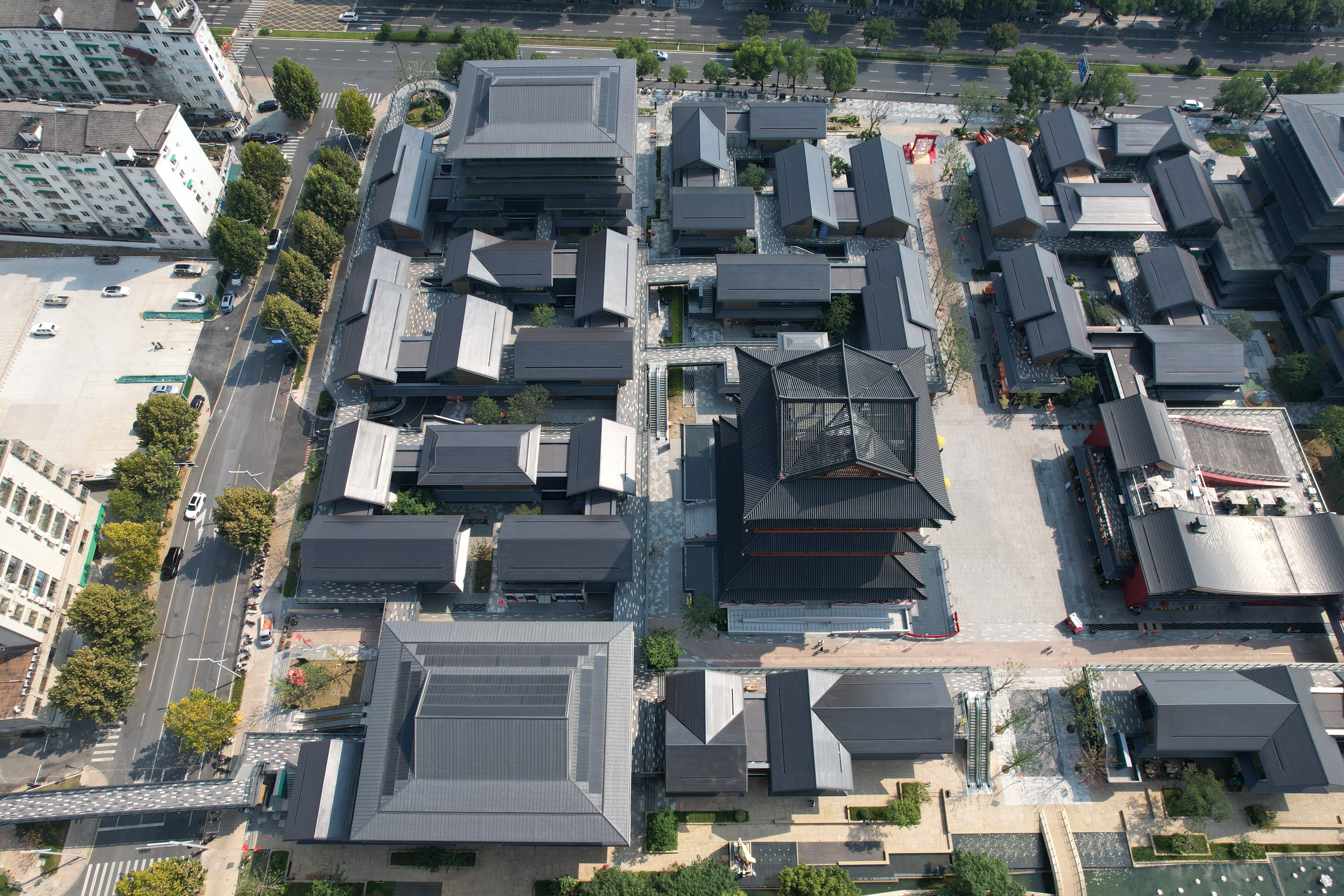
Project Overview
This project has a total installed capacity of 274.68 kW, demonstrating the potential of BARL solar roof tiles for large-scale commercial buildings.
Key product specifications:
Product: BARL Vertical Solar Roof Tiles
Project Location: Hangzhou, Zhejiang, China
Project Type: Historic Landmark Commercial Street
Installed Capacity: 274.68 kW
Dimensions: 1750 × 430 mm
Power Output: 120W per tile
Weight: 15.2 kg per tile
Roof Structure: Aluminum-Magnesium-Manganese Standing Seam Roof
Installation: Vertical Installation
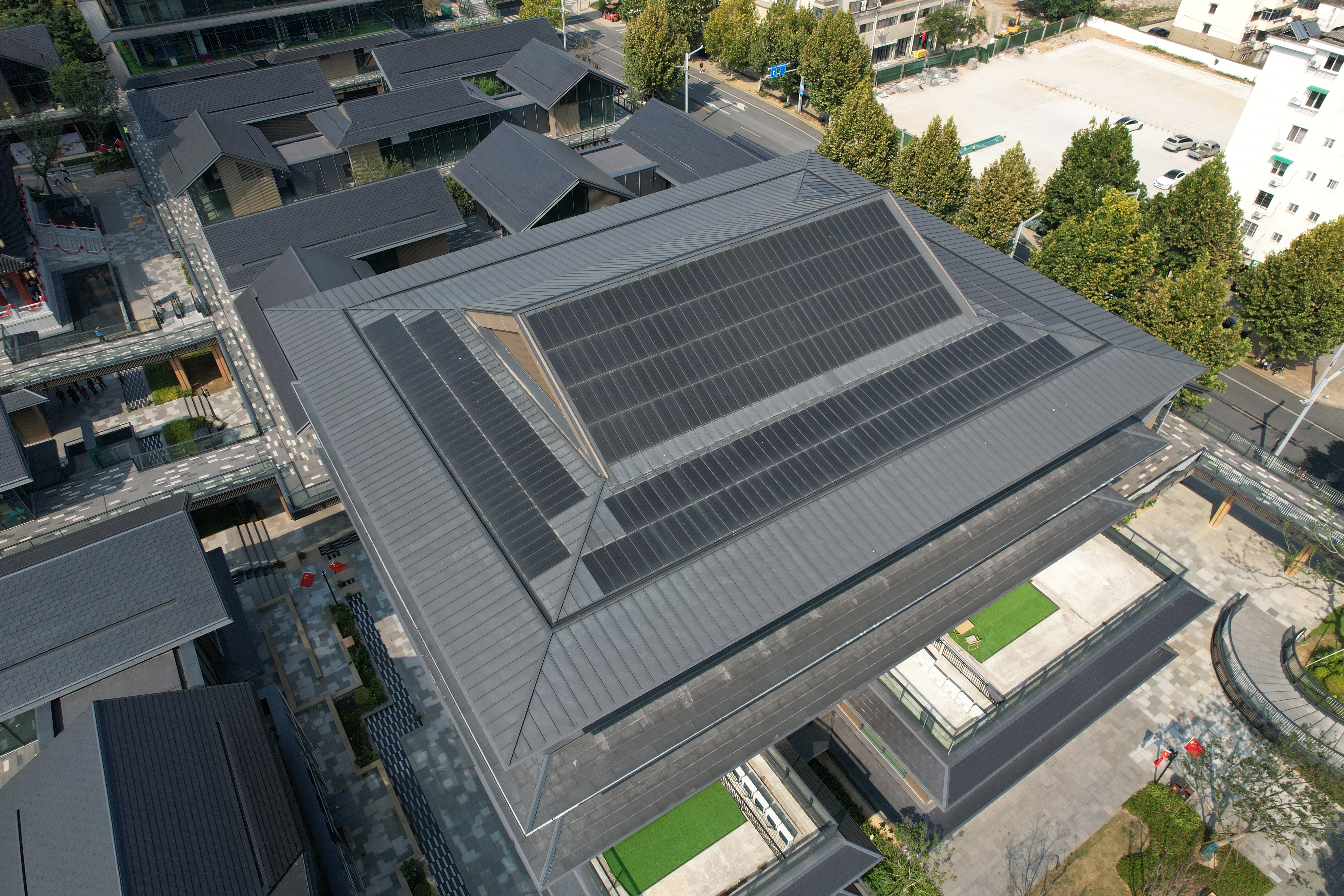
With its 120W output per tile and vertical installation design, BARL integrates naturally with the standing seam roof structure. This approach makes better use of the available roof area while maintaining the architectural appearance.
Project Background
Located in Hangzhou, Zhejiang, China, this project is a historic landmark commercial street building complex. Combining traditional architectural character with modern commercial functions, the project required a roofing solution that could integrate renewable energy generation without compromising the original architectural appearance.
To meet this demand, SGBSOLAR introduced its innovative BARL solar roof tiles, featuring a unique vertical installation design. This project marks the first application of BARL vertical solar roof tiles combined with an aluminum-magnesium-manganese standing seam metal roof.
Unlike conventional rooftop solar panels, this innovative BIPV roofing system integrates photovoltaic technology directly into the roof structure, creating a cleaner and more unified architectural appearance.
Project Significance
As the first BARL project, this installation represents an important step in SGBSOLAR's development of building-integrated photovoltaic (BIPV) solutions.
The combination of vertical solar roof tiles and aluminum-magnesium-manganese standing seam roofing provides a new approach to solar integration in commercial architecture. It allows photovoltaic technology to become part of the roof rather than an additional structure placed above it.
With a total capacity of 274.68 kW, the project also demonstrates how solar roof tiles for commercial buildings can contribute to clean energy generation while supporting modern architectural requirements.
This project is more than a product application. It is a practical demonstration of how innovative solar roofing technology can bring together architectural design, roofing systems and renewable energy.
BARL – Where Architecture Meets Solar Energy.